
Weaker Jobs Report & Failing Oil Prices
Weaker Jobs Report & Failing Oil Prices
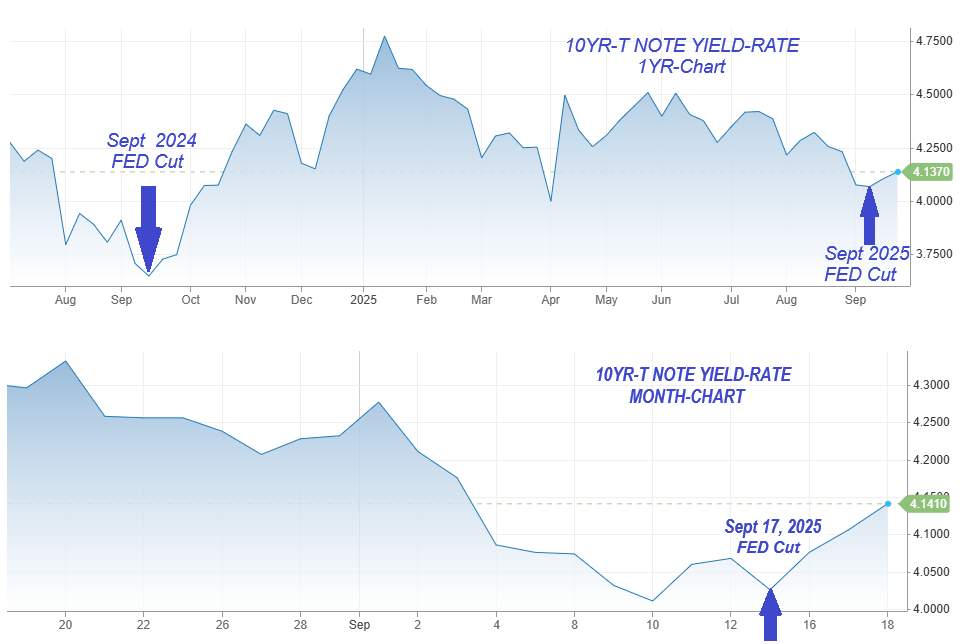
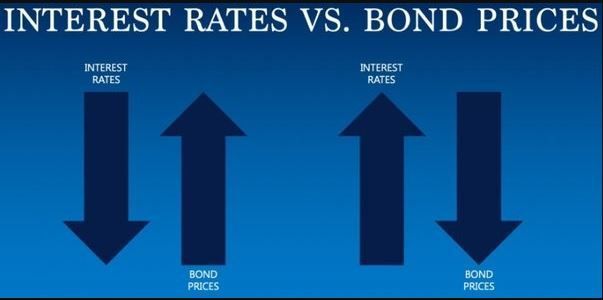
Long-term interest rates and mortgage yields remain pinned near yearly highs, failing to drop despite a severely weak jobs report and a 40% plunge in oil prices.
Key Takeaways
Labor market stalls: The U.S. economy added just 57,000 jobs in June reported on July 2, missing expectations of 110,000.
Deflationary oil drag: Crude oil prices have collapsed 40% from their wartime peaks.
Suppressed rate relief: Temporary Treasury market prices rallies quickly faded by the market close.
Fiscal supply shocks: Rising national debt service is forcing heavier Treasury issuance.
Analyzing the Labor and Energy Slowdown
1. Disappointing Employment Growth
The June employment report—released on July 2, 2026—delivered a sharp downside surprise.
Actual jobs added: 57,000
Wall Street forecast: 110,000
Previous month (revised): 129,000
While a weakening labor market typically sparks an easing reaction in interest rates, the initial drop in long-term Treasury yields quickly reversed by the end of the trading session.
2. Deflationary Pressures From Oil
Crude oil prices have dropped roughly 40% from the highs seen early in the conflict when Iran blocked oil tanker traffic through the Strait of Hormuz. Though falling energy costs introduce an deflationary factor into the U.S. economy, long-term bonds and mortgage rates are ignoring this downward pressure.
Unpacking the Upward Forces on Yields
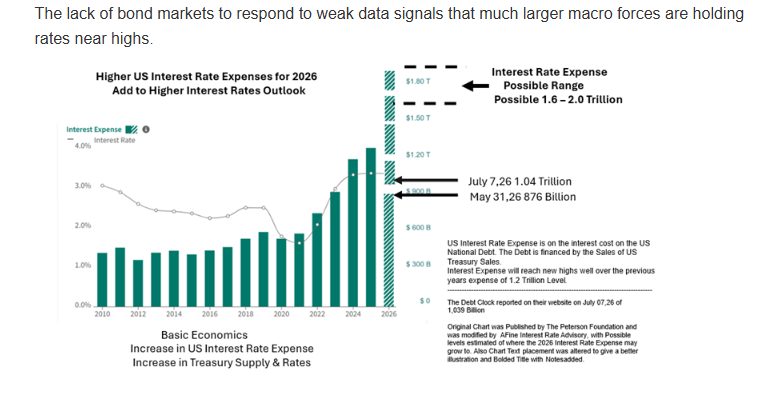
The lack of bond markets to respond to weak data signals that much larger macro forces are holding rates near highs.
The Sovereign Debt Loop
Escalating interest expense: Servicing the U.S. national debt requires record-high funding, as visualized in the chart above.
Accelerating bond supply: Coping with this expanding debt load forces the U.S. Treasury to ramp up new bond auctions.
Upward yield pressure: As the market becomes concerned with a growing supply of U.S. Treasuries, investors demand higher yields to absorb the debt.
Strategic Summary
The traditional economic playbook has shifted. Long-term interest rates and mortgages are holding near their yearly peaks because
investor anxiety over larger U.S. Treasury supply could be overshadowing standard deflationary signals like weak job creation and falling oil. The structural reality of government debt expansion has created an entrenched, higher-for-longer interest rate outlook.